
Words and Perspective: Seeing the Same Mountain from Different Angles
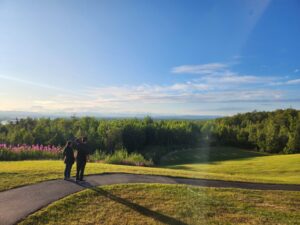
On my recent trip to Alaska, I found myself mesmerized by Mt. Denali, the tallest mountain in North America. What struck me wasn’t only its sheer size, but the way it appeared so different depending on where I stood. From one viewpoint, Denali seemed almost shy, partially hidden behind layers of clouds and foothills. From another, it dominated the horizon—bold, breathtaking, and impossible to ignore.
The mountain never changed. But my perspective did.
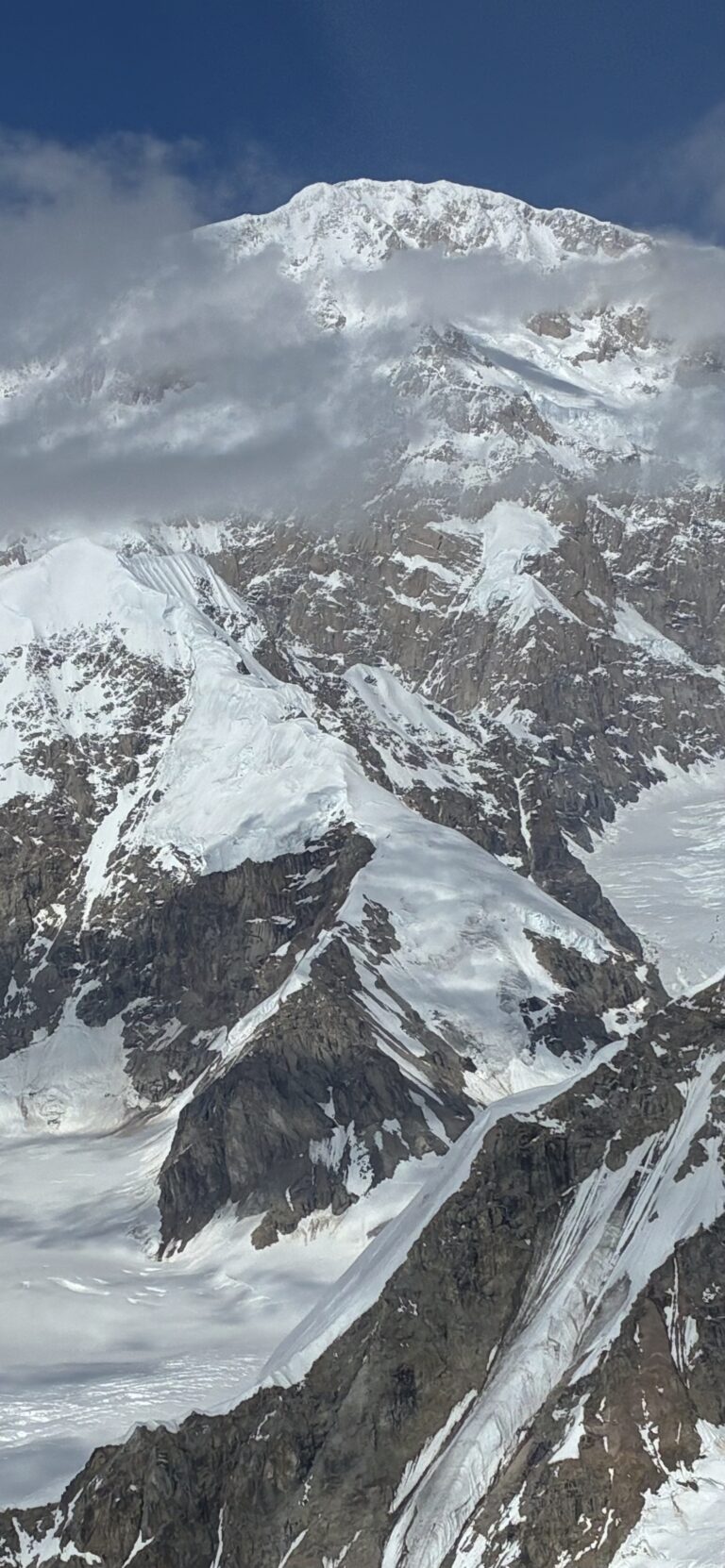
That experience reminded me of something I see every day in my work with leaders and teams: the power of perspective in how we use and receive words. Just like Denali, words themselves may remain constant, but their impact shifts depending on the position we’re standing in when we hear them.
Words Are Not Neutral
We often treat words as if they are fixed, factual, and objective. A sentence is spoken, an email is written, and we assume the meaning will be obvious. But words are never neutral. They carry tone, context, and intent.
Consider the word challenge. For one person, it may feel heavy and exhausting—yet another problem to solve. For another, the very same word sparks curiosity and motivation—a chance to grow, learn, and prove what’s possible.
Or think about the phrase we need to talk. Depending on perspective, it can either create dread or open the door to connection. The words don’t change. What changes is the vantage point.
Context Shapes Meaning
One of the lessons Denali reinforced for me is that perspective is everything. The same mountain can be breathtaking or underwhelming depending on how and where you stand. The same holds true for words.
A “deadline,” for example, can feel restrictive if we’re already overwhelmed. But reframed as a “milestone,” it can give us structure and momentum. A “failure” can feel final and defeating. But reframed as a “lesson,” it can feel like the beginning of something better.
Leaders in particular need to be mindful of how words land. A casual remark made in a meeting may feel offhand to the speaker, but it can echo for weeks in the ears of a team member. The language we use has the power to shut people down or draw them in.
Tone and Framing
Tone adds another layer to perspective. Imagine telling a colleague, “That presentation was interesting.” Said with genuine curiosity, it can encourage conversation. Said with skepticism, it can deflate confidence.
Similarly, framing changes everything. Saying “We failed” puts a period at the end of the story. Saying “We learned” keeps the story alive. One stops forward momentum; the other accelerates it.
These small shifts in words—just like small shifts in physical perspective—create dramatically different experiences for those around us.
Seeing Through Others’ Eyes
In leadership, communication isn’t only about what we say; it’s about how it’s received. And the reality is, we never fully know the vantage point of the listener. Each person hears words through their own experiences, biases, and state of mind.
That’s why the best leaders are intentional about perspective. They don’t just ask, What do I want to say? They also ask, How might this be heard?
Just as I walked around Denali to see it from multiple sides, we need to walk around our words to imagine them from multiple viewpoints. How might this sound to someone under stress? How might it land with someone new to the team? How might it feel to someone who has experienced this issue before?
The Leadership Lesson from Denali
Here’s what my time in Alaska reminded me:
- Step Back for the Bigger Picture
When we’re too close, we see only part of the mountain—or only part of the conversation. Distance brings clarity. Before reacting, pause to take in the whole view. - Shift Your Angle
New details come into focus when we move even slightly. If your words aren’t landing, try another approach. Sometimes it isn’t the message that needs to change, but the framing. - Accept the Clouds
Just as clouds can hide Denali, circumstances can cloud understanding. What seems unclear today may make sense tomorrow. Patience allows perspective to shift naturally. - Invite Other Perspectives
Denali is not only different depending on where I stand—it’s also different depending on where others stand. The same is true of words. Encourage others to share how they hear and interpret language. Their view will always add richness to your own.
Bringing It Home
Words are among the most powerful tools we have as leaders. They can motivate or discourage, clarify or confuse, inspire or deflate. And while the words themselves may not change, their meaning is never fixed. Like Denali, they are perceived differently depending on where we—and those we lead—are standing.
So the next time you choose your words, remember the mountain. Pause to consider:
- What vantage point am I speaking from?
- How might others hear this from their position?
- Could I reframe or shift my language to create more clarity, hope, or possibility?
Denali reminded me that perspective isn’t just about what we see—it’s also about what we say. The mountain remains the same, but the way we describe it—and the way others experience it—can be completely different.
When we choose our words with perspective in mind, we don’t just communicate. We connect. And that connection is what builds trust, inspires teams, and ultimately drives meaningful results.